
A compression benchmark for Earth observation data


 02 / 14
Every codec paper measures on its own terms
03 / 14One measurement is one array, in memory
The whole array goes to the codec in one call, on one thread. No files, no network.
How the protocol measures →click to step
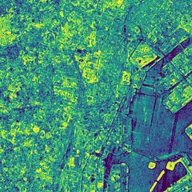
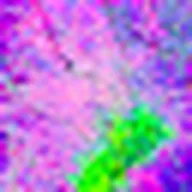
04 / 1427 corpora, from satellites to embeddings
Sentinel-23 corpora

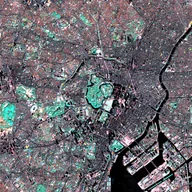

Landsat 1 to 89 corpora


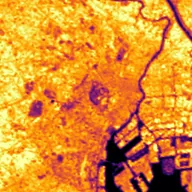

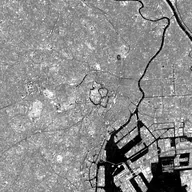
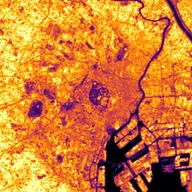

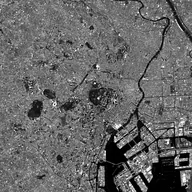
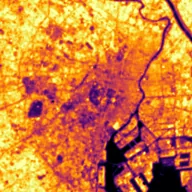
More sensors6 corpora
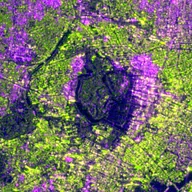

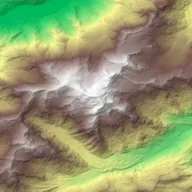
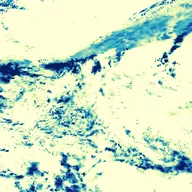
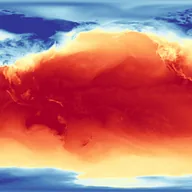
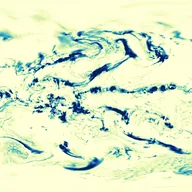
ERA55 corpora
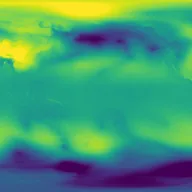


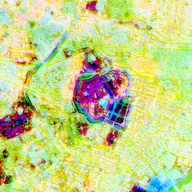
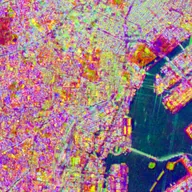
Embeddings4 corpora
 05 / 14
A corpus is a folder you can rebuild
corpora/s2-l1c-10m-4/
  spec.md          # source, samples, licence
  build.py         # select and build the samples
  manifest.csv     # asset, CRS, dates, bands, sha256
  npz/             # the samples, from Hugging Face
  png/             # previews
  results.csv      # one row per sample and codec
  environment.json # machine and versions of the run
Samples come ready
The first run downloads them from the Hugging Face dataset earth-compress/benchmark.
Or rebuild them
build.py fetches every source asset again and checks each sample against its sha256.
Results sit beside the data
So a new run shows up as a diff of results.csv.
06 / 14Codecs see integers plus a scale and offset
When integers reproduce the published values bit for bit, the corpus stores them that way. Every codec starts from the same bytes.
07 / 14Three modes, each with its promises
The promises in the protocol →click to step
08 / 14The error budget comes from the data's own noise
Each corpus has a reference error sigma, from instrument noise, retrieval error or model spread. The bound tau is set from it.
Sigma and the bounds of every corpus →click to step
09 / 14Codecs from GIS, imaging and science
lossless
Byte codecs, TIFF predictors, numeric codecs and OpenZL graphs.
- zstd
- deflate
- lzw
- hdiff-zstd9
- blosc
- pco
- openzl
- geozl
- jpeg2000
near-lossless
A bound on every value. Each codec at each budget level.
- geozl
- lerc
- jpeg-ls near
- sz3
- zfp
- sperr
- quant + any lossless
- safeguards + a codec
lossy
A bound on the RMS error. The setting may be searched.
- jpeg2000
- jpeg-xl
- sperr
- sz3
- quant + pco
Quantize then compress, or add safeguards to any codec. Both count as their own family.
10 / 14Adding a codec is one Python module
# earthcompress/codecs/mycodec.py
import mycodec
from ..spec import ArraySpec
from .base import lossless, unpack

class MyCodec:
    def __init__(self, spec: ArraySpec):
        self.spec = spec

    def encode(self, array):
        return mycodec.compress(array.tobytes())

    def decode(self, data):
        return unpack(mycodec.decompress(data), self.spec)

CONFIGURATIONS = (lossless("mycodec", "mycodec",
                           mycodec.__version__, MyCodec),)
Two methods
encode takes the array and returns bytes. decode gives the array back.
Found on its own
The runner loads every module in earthcompress/codecs/.
Bounded modes
FAMILIES for near-lossless and LOSSY for lossy. The codec receives tau.
11 / 14Run it, then git diff
# get the benchmark
git clone https://github.com/earth-compress/benchmark
cd benchmark

# every codec on one corpus
uv run earthcompress corpora/s2-l1c-10m-4

# only yours
uv run earthcompress corpora/s2-l1c-10m-4 --codec mycodec

# against the published results
git diff corpora/s2-l1c-10m-4/results.csv
First run
Downloads the samples of that corpus.
Written in place
Results go over the published results.csv. A run replaces only the rows of the configurations it measures.
With its machine
environment.json records the CPU, the platform and the versions.
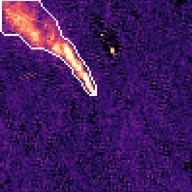
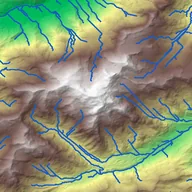
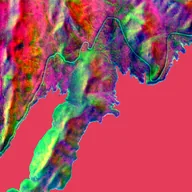
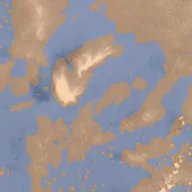
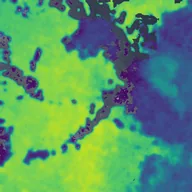
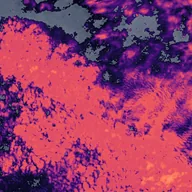
12 / 14Does the error matter for the task?
 13 / 14
Three ways to take part
A codec →
One module that encodes and decodes. Run it on the corpora and send the new rows.
earthcompress/codecs/
  mycodec.py
A corpus →
Samples anyone can rebuild, with a sigma for the error budgets.
corpora/<id>/
  spec.md
  build.py
  manifest.csv
A use case →
A product people rely on, and a score that says when compression changed it.
usecases/<case>/
  manifest.csv
  run.py
Open a pull request on github.com/earth-compress/benchmark.